 +1 (857) 707 3625
 +91 7428 109 528
Polycystic Ovarian syndrome
PCOS is a condition caused due to the presence of very high levels of androgens. This affects ovulation and causes irregular periods.

आरोग्यम् परमं भाग्यं स्वास्थ्यं सर्वार्थ साधनम्। सर्वारोग्य प्रदातारं नमामि दिव्य वैद्यनुत्।।
व्यायामात् लभते स्वास्थ्यं दीर्घायुष्यं बलं सुखं। आरोग्यं परमं भाग्यं स्वास्थ्यं सर्वार्थसाधनम्॥
पुनर्वित्तं पुनर्मित्रं पुनर्भार्या पुनर्मही। एतत्सर्वं पुनर्लभ्यं न शरीरं पुनः पुनः।।
भोजनाग्रे सदा पथ्यं लवणाद्रकभक्षणम्। अग्निसन्दीपनम् रूच्यं जिह्वाकण्ठविशोधनं।।

The ability of a woman to naturally conceive a biological child and carry the pregnancy to term is known as female fertility. However, when a woman fails to undergo pregnancy and is unable to conceive a child then it is called as female infertility.


 1,80000+ Patients Treated
There are various factors such as age, hormonal balance, reproductive health and lifestyle choices that affect the female fertility. Women are the most fertile during their early 20s and this gradually starts decreasing by the late 20s. Along with age, the overall health, nutritional status and exposure to toxins also play a significant role in maintaining a woman's fertility.
PCOS is a condition caused due to the presence of very high levels of androgens. This affects ovulation and causes irregular periods.
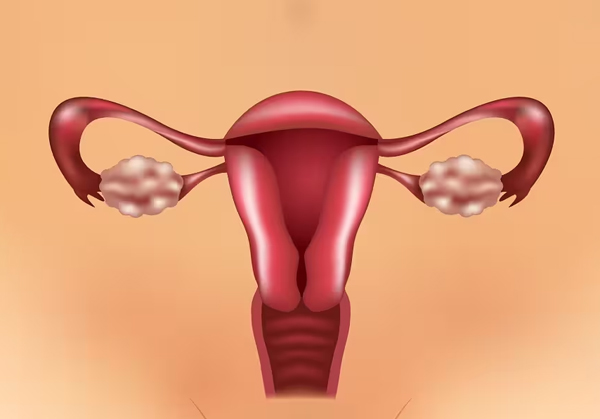

Besides PCOS, imbalance in the levels of other hormones like thyroid stimulating hormone, prolactin, Follicle Stimulating Hormone and Luteinizing hormone can affect the overall functioning of your reproductive system.
Your fallopian tubes can be blocked or damaged due to inflammation, infections or previous surgeries. This does not allow the egg to reach the uterus.
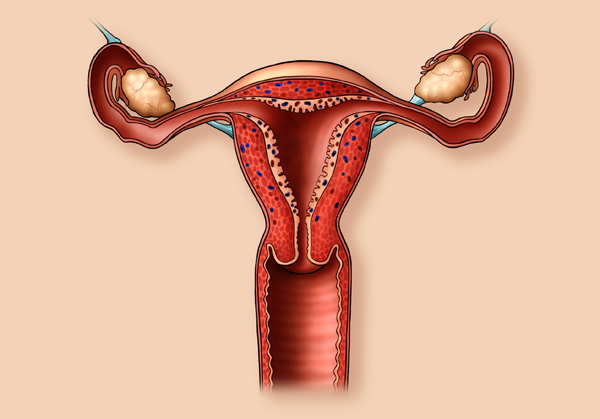
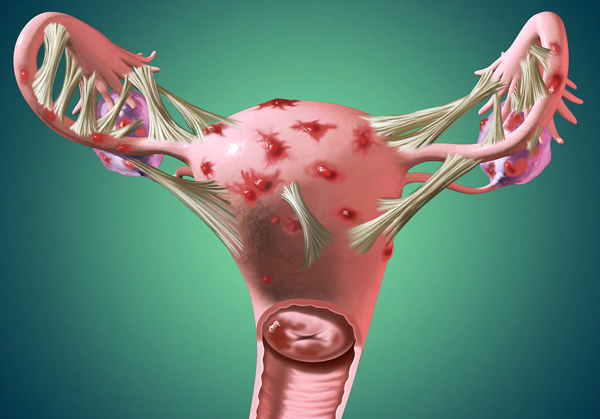
The endometrial tissues grow on the inner uterus lining. But, if it grows in any location outside the uterus like the fallopian tubes, ovaries etc, then it interferes with your fertility.
If your ovaries stop functioning normally, before the age of 40, then it is a case of premature ovarian insufficiency. As a result, the ovaries are not able to produce one egg every month leading to an early menopause.
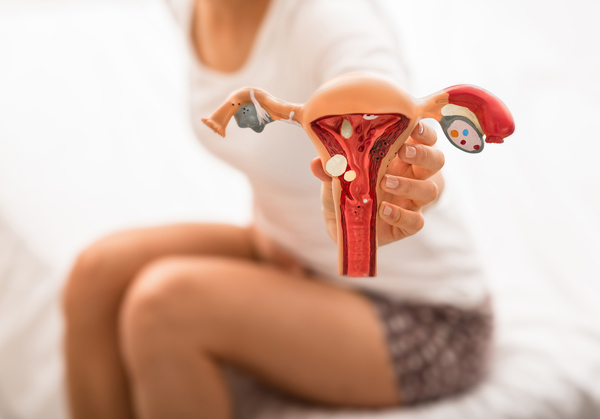
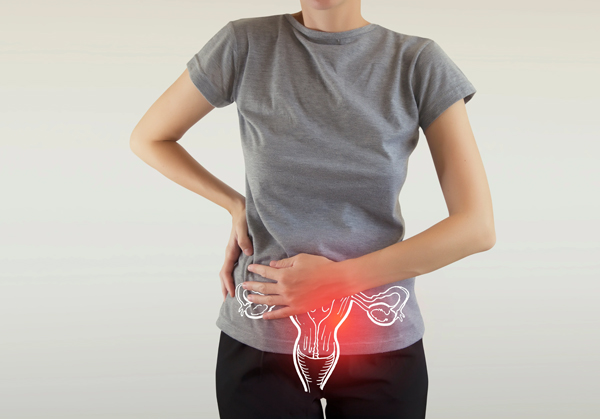
Sometimes, your uterus can be abnormally shaped or there might be growth of fibroids in it. This makes a natural conception very difficult.
For some people, their cervix might be too narrow or completely closed. This might be a birth defect or due to some infection. In some cases, the cervical mucus does not support sperm motility. So, sperms are not able to enter the uterus for fertilisation.
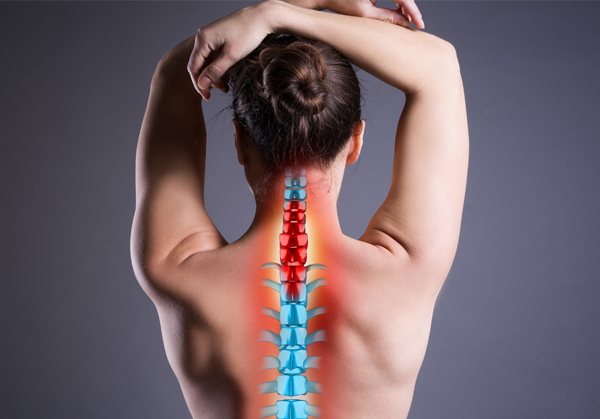
Female fertility is a multifaceted and crucial aspect of reproductive health. It encompasses the intricate processes that enable a woman to conceive and carry out a healthy term pregnancy. Influenced by various physiological, environmental and genetic factors, it also demands a great amount of care and self-awareness.
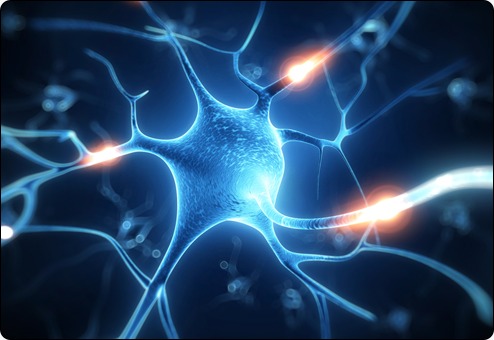
There are multiple hormones in the female body that regulate various processes. This includes oestrogen, progesterone, LH, FSH, insulin etc. There are various factors that can disturb its levels & a small imbalance can negatively affect a number of vital processes in the body.
Know More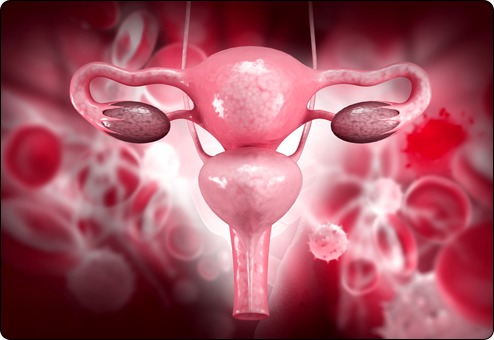
Leukorrhea is a natural occurrence in which a white or yellowish fluid is secreted from the vagina. This is the way our vagina flushes out dead cells & harmful bacteria from the reproductive tract. A change in its colour, consistency & odour is indicative of infections.
Know MoreAge: With increasing age, the quantity and quality of your eggs start to decline and this is very significant in your late thirties. Since the eggs your ovaries produce are fewer and of a poorer quality, conception becomes very difficult and the risk of misconception increases.
Weight: Being obese, overweight or significantly underweight can decrease the frequency of ovulation and the likelihood of a successful pregnancy.
Smoking: Smoking is detrimental to your reproductive health as it damages your cervix and fallopian tubes. It ages your ovaries and eggs faster thereby increasing the risk of miscarriage and ectopic pregnancy.
Alcohol intake: Excessive alcohol consumption reduces fertility.
Sexual History: A sexual relationship with multiple partners and unprotected sex puts you at a high risk of contracting sexually transmitted diseases. These infections can often damage the uterus and fallopian tubes.
Sleep: It is important to get an optimal 7-8 hours of sleep everyday to maintain a good reproductive health. Too little or too much sleep can negatively impact your fertility.
Personal Hygiene: Poor menstrual hygiene, washroom habits and vaginal hygiene can cause infections that have very serious effects on female fertility.
Mental Health: A peaceful and stress free mental state is very important to maintain the hormonal balance of your body. It not only makes conceiving easy, but also makes pregnancy smooth and uncomplicated.
At SRIAAS, we focus on natural methods to support and improve female fertility. Our approach includes personalized treatment plans with natural medicines, dietary modifications, and lifestyle adjustments that work together to strengthen reproductive health.
Infertility often results from internal imbalances that disturb the functioning of reproductive tissues and channels. SRIAAS follows a comprehensive approach to restore this balance, enhance fertility, and improve overall well-being. The natural formulations used at SRIAAS are carefully selected to address fertility challenges. These remedies support hormonal balance, rejuvenate the reproductive system, and improve the quality of reproductive tissues.
We move beyond conventional methods of treating female infertility by nurturing the complete well-being of every woman. Our focus is to identify the root cause with precision and ensure a holistic improvement in health, vitality, and long-term reproductive wellness.
Yes, holistic methods can help females recover from infertility. Targeted treatments focus on restoring balance across the body and mind while addressing core infertility causes instead of easing symptoms effectively.
No, infertility does not mean you can never have children. Infertility is the inability to conceive a child naturally even after unprotected intercourse for about a year or more. There can be various medical and non-medical factors responsible for it. So, the root cause needs to be identified first and appropriate treatment and lifestyle modifications should be made.
No, infertility is not just a 'women's problem'. Problems can occur in both men and women that can cause infertility. In India, the male factor contributes to about 35% of the cases.